
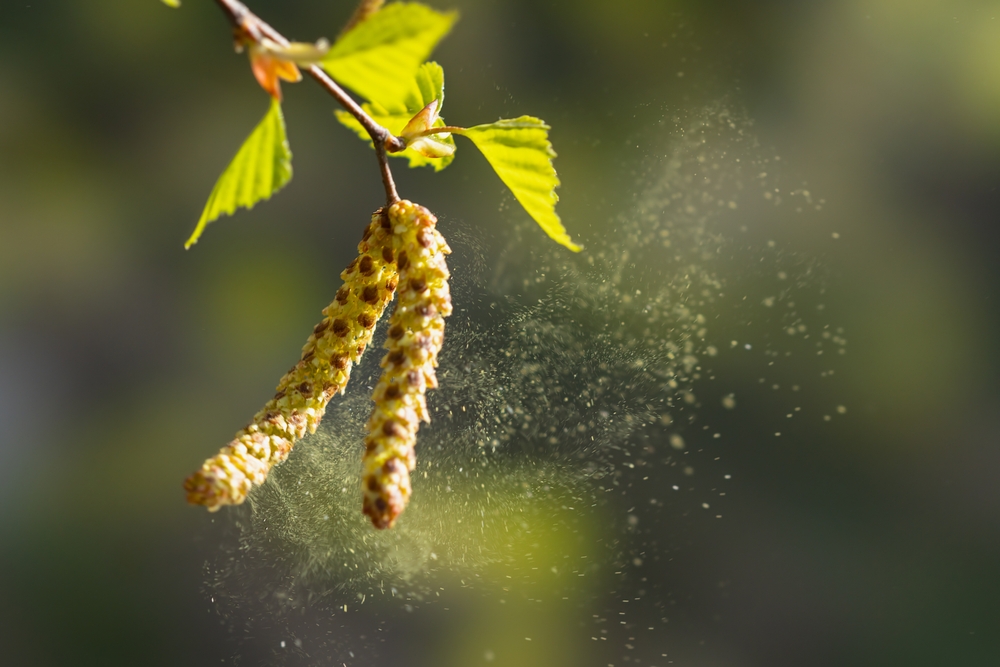
There’s nothing like New York City in the spring and summer when the weather gets nice.
You can finally get outside and enjoy the fresh air – that is, unless you’re one of the more than 106 million people in the U.S. with allergies. Then, you may start to suffer the effects of pollen and other seasonal allergies, experiencing sneezing, red eyes, itchy skin, and other uncomfortable symptoms.
Worse, because pollen is so fine, it’s easy to track into your home. It may feel like no place is safe, but there are steps you can take to help pollen-proof your home.
Common Ways Pollen Enters Your Home
Generally speaking, New York will experience potentially high levels of pollen from early spring to late fall. The Weather Channel monitors the pollen breakdown daily, outlining the levels of tree pollen, grass pollen, and ragweed pollen in the air.
The outdoor air quality can impact your indoor air quality, especially when it comes to pollen. No matter how hard you clean, pollen continues to enter your home in a variety of ways, including the following.
- Windows: As tempting as it is, keep those windows closed and turn on the A/C when you can. That nice New York City breeze is also tracking pollen in your apartment.
- Doors: When you open the front door, you may be bringing pollen in from the outside. It can also build up in the door frames and tracks and blow inside.
- Shoes: You track a lot into your home on the soles of your feet, including pollen. It can fall from trees and cover the ground.
- Clothing: If pollen is blowing in the air, it’s on your clothes. You may not know you’re tracking it in, but it’s there.
- Pets: Pets bring in pollen on their paws and fur. When they are outside, they get pollen, even if they aren’t rolling in the grass.
- HVAC: HVAC systems without proper air filtration can simply circulate pollen throughout the air.
Pollen can be stubborn to get rid of once it’s in your home during allergy season, so it’s important to take steps to prevent it from getting in your home. Once it is, regular cleaning can help reduce its impact and eventually remove it entirely.
Tips to Prevent Pollen from Entering Your Apartment
Before you jump into a cleaning routine, there are steps you can take to help reduce the amount of pollen in your home.
- Take off your shoes. Put them on a mat that’s easy to wipe down or wash. Avoid carpet as it can trap particles in the fibers.
- Change your clothes. After walking outside, change into a new outfit. Place the clothes directly into a hamper or in the laundry area.
- Keep your windows closed. You may want to reduce your electric bill, but it will cost you in different ways. Your fresh air will come with a healthy dose of pollen.
- Wipe down your animals. Wipe your dog’s paws if you’re coming in from outside. Some people may be diligent about their own pollen tracking habits, but forget about their pets.
- Use air purifiers. Air purifiers with HEPA filters can remove pollen that’s already in your home’s air.
These small actions can make big differences when it comes to reducing pollen and other allergens in your home.
How to Clean Pollen in the Home
If you still notice pollen in your home, it’s time to clean. Keeping up with a regular cleaning routine can help improve the air quality in your home and prevent pollen from contaminating your space.

1. Wipe Down Surfaces
Clean surfaces to remove pollen that may have settled. Use a microfiber cloth to help capture the dust particles and stop them from being recirculated into the air.
- Dust shelves, especially ones with books, art, and other knick-knacks, as it can be easy to accumulate on these types of surfaces.
- Wipe down your walls. You can either dry dust them or use a lightly wet mop to remove any dirt and debris, depending on the type of walls.
- Sanitize door knobs, surfaces, frames, and other high-touch surfaces, especially if they are outdoor-facing.
Pollen can settle on surfaces, so be sure to trap it during removal rather than simply removing it temporarily.
2. Vacuum with HEPA Filter
You may think you are removing pollen, dust, and other dirt and debris, but if your vacuum doesn’t have a HEPA filter, you may not be doing as good a job as you think.
The Centers for Disease Control and Prevention recommends HEPA filters as an important part of infection control, including for allergy prevention. These filters capture microscopic particles and prevent them from re-entering the air, including pollen.
If you do not use a HEPA-filtered vacuum, you may only be getting the large particles and leaving the smaller ones behind. Be sure to regularly check your filter to ensure it doesn’t need to be cleaned. Clogged filters will not function as expected.
3. Wash Bedding Regularly
Your bed may be unintentionally making you sneeze, causing your allergies to be worse.
- Wash your bedding – blankets, sheets, pillow sheets, etc. – weekly in hot water.
- Invest in a mattress protector. This can help prevent pollen from getting trapped in the mattress fibers.
- Use hypoallergenic products, especially pillows. They help improve your sleep quality while reducing your allergen exposure.
You spend a lot of time in your bed, so you want to make sure it’s a comfortable space.
4. Clean Your Windows
Pollen can get trapped in and around your windows, so you want to regularly clean them to remove buildup.
- Wipe down the window tracks. Pollen, dirt, and dust can get caked in there over time.
- Wash curtains and window drapings. Whatever is blowing in the window will build up in your window coverings over time.
- Dust blind tracks. Dust plastic or wooden blinds with a microfiber cloth to remove pollen and dust.
Even if you keep your windows closed most of the time, you still have to clean the area. There may be small cracks where pollen can seep in without you knowing it.
5. Change Air Filters
Your HVAC system has filters to improve air quality, similar to your vacuum. Make sure that you change your filters regularly to promote maximum effectiveness. Estimate every 1-3 months, depending on the size.
If you have an air purifier, you should change its filter every 6-12 months. You can change it sooner if it is dirty. If you notice yourself sneezing more than normal, check that your air purifier is performing as expected.
6. Clean Your Entryway
Creating a simple entryway routine can help reduce how much pollen gets tracked indoors.
- Put your shoes in a centralized area. Whether a shoe holder or simply on a mat, organize shoes in a central location and do not wear them further indoors.
- Take off your jacket and hang it up. Don’t forget that your clothing can attract pollen just as easily as your shoes.
- Vacuum the floor. The suction will capture the pollen, dust, and dirt without stirring it into the air. Pay special attention to any rugs or mats.
- Wipe down doorknobs. A lot of contaminants can live on the surface.
Customize your entryway cleaning routine based on your home. For example, you may want to keep pet-friendly wet wipes to wipe your dog’s paws or steam the wooden floor in addition to vacuuming to fully remove debris.
Let White Glove Cleaner Tackle Pollen For You
New York residents are busy – they don’t want to worry about cleaning pollen more than they need to. White Glove Cleaner can be your go-to cleaning partner to help stop pollen in its tracks.
From maintenance cleaning to deep cleaning and everything in between, we can provide a personalized cleaning assessment to help your home be allergy-free. Contact us today to experience the White Glove Cleaner Way.
Frequently Asked Questions
How is pollen getting into my home?
Pollen can get into your home through windows, doors, on clothing, shoes, and more. Your pet can also track pollen on its paws after being outside.
What is the best way to get rid of pollen in my home?
Removing contaminated items (like shoes, jackets, and clothing) can help stop the spread of pollen in your home. Additionally, keeping your windows closed, especially during times of high pollen, can prevent pollen from entering your home.
Is it better to dust or vacuum to remove pollen?
Microfiber clothes can help trap dust and pollen. A vacuum with HEPA filters can prevent fine particles from reentering the air. Whatever you use, make sure that you are removing the pollen rather than dusting it up to resettle on surfaces later.