
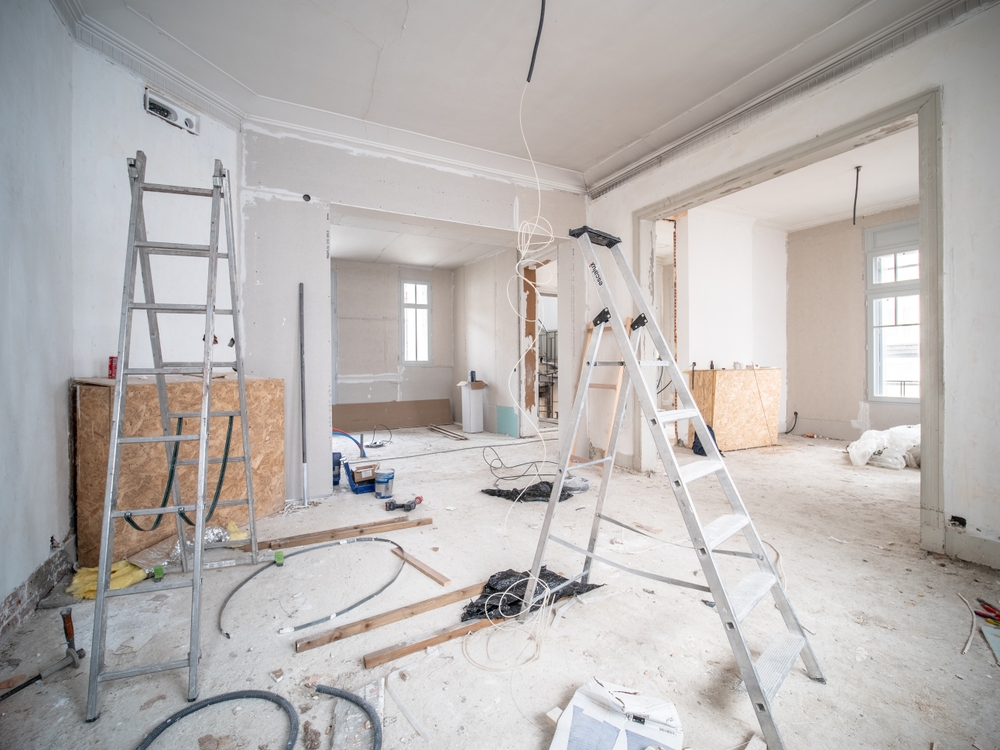
Home renovation projects in New York City are exciting. What’s even more exciting is once they’re done. However, even though the project may be over, there’s actually still more work to be done before you can fully enjoy your new space.
Your renovation may look clean on the surface, but there’s a lot of dust, dirt, and debris that can be hiding in plain sight. Your contractor may do a basic clean to remove any leftover items, sweep the floors, and quickly wipe down surfaces, but post-renovation cleans are far more complicated than that.
Below, we’ll share more about why your cleaning needs change after home renovation projects and what you can do about it to make sure that your home is really getting clean.
Why You Need a Post-renovation Home Clean
There’s a lot of work happening during construction that can impact your home’s cleanliness and air quality long after the job is done.
Homeowners will often experience a buildup of fine dust, debris, and residue. It settles into:
- Vents
- Baseboards
- Light fixtures
- Floors
- Shelves
- Carpets
- Furniture
- Curtains
You can try to drape your personal items with sheeting or other protective coating, but the small particles can settle into racks and other hard-to-reach areas. You may notice a build-up for some time after the construction, which is why cleaning the space goes beyond a standard clean.
You don’t simply need to sweep and mop the floors. Instead, you need to get deep into the nooks and crannies of your NYC home to remove the contaminants, which can include dust, wood and metal shavings, nails, writing, and other types of construction materials.
Post-renovation Cleaning Overview
Post-renovation cleans are different from standard cleans and deep cleans. Instead of tackling the surface of specific rooms and areas, they are focused on removing construction-related debris. Your space will be both clean and safe following a post-renovation clean.
Focus Areas
While specific needs may vary from room to room, there are some common areas that you want to target during a post-renovation clean.
- Floors: Removing dust, debris, particles, trash, and other items
- Heaters, fans, and vents: Dry and wet dusting to remove buildup from the surface
- Ceiling, trims, and walls: Eliminating any buildup and visible smudges
- Baseboard, blinds, and lights: Removing dust from hard-to-reach places
- Windows and window frames: Powerwashing and wiping down the surface and inside of the windows
- Appliance cleaning: Wiping down the surface, removing stickers and protective covering as necessary
- Cabinets: Cleaning the inside and outside if they are within the room being renovated
- Masonry: Dusting bricks, tiles, grout, etc.
Your cleaning in these areas may increase in the short term. Take stock of what’s in the room after your renovation is done. Even if it was covered during the work, there can still be debris present, so you will likely want to clean all surfaces in each room.
Remember, dust can quickly get into the HVAC systems and be spread throughout the vents. As a result, you may notice construction dust in rooms that did not have work being done in them. Where possible, open the windows to increase ventilation. Even a small amount of fresh air can help improve air circulation and quality.
If you have an air filter in your furnace, you may want to change it more frequently. Additionally, some homeowners may decide to clean their air ducts following renovation to stop the spread of particles. This is often more helpful after larger jobs or jobs that were near vents.
Cleaning Methods
Post-construction cleaning should be completed with additional care to prevent the debris from simply being dusted up back into the air.
- Dry dust first. Working your way from top to bottom, start by dry dusting. This will knock everything down without making it stick to the walls and surfaces. You also won’t have to go over the same places twice, like you would if you want to go from the bottom up. You should use dusters or microfiber cloths.
- Vacuum using HEPA filters. HEPA filters help trap fine particles that would otherwise be re-entered into the air. They are a standard part of many modern vacuums. Just make sure to change or clean your filters regularly so they continue to work properly.
- Use wet/dry vacuums where applicable. These shop vacuums are highly effective at removing construction debris like wood shavings, concrete dust, and other large particles. Empty them outside of the home to prevent some of the dust from re-entering the home.
- Wipe down surfaces last. After you dust and vacuum, you can wipe down the surfaces using water or a cleaning solution. This can sanitize the surface without trapping particles on it. Pay special attention to dirt and smudges. Often, a mixture of water and vinegar works well to remove dirt and absorb construction smells.
- Throw out the trash. At the end, make sure to remove any trash and dirty cleaning supplies from your home. This will help prevent it from seeping back into the home.
Construction dust can take a few days or a few weeks to settle, so be sure to keep up with a regular cleaning routine. Don’t get discouraged if you continue to see construction dust after cleaning. The amount of dust should decrease over time when you are cleaning properly.

Benefits of a Post-renovation Clean
A thorough post-renovation clean is about more than just tidying up your space. It can have significant benefits in your NYC home.
- Safety: Construction brings a lot of materials into your home, and a post-renovation can help remove any potential safety concerns, like wood shards, loose nails, and debris. You and your family could accidentally injure yourself on the items missed during the contractor’s initial topical clean.
- Correct installation: Walking the space can help you ensure there are no loose wires, gas leaks, and other potential dangers during the renovation. Just because the contractor says the job is done, sometimes things are missed. Post-renovation cleans can help you identify potential issues more quickly.
- Comfortable: Construction dust can make a space uncomfortable. It can settle on furniture surfaces or in the air. You may find it difficult to breathe or experience allergy-like symptoms. Cleaning can help remove these contaminants from the space.
- Move-in ready: The last thing you want to do after a long construction project is clean up after it. A post-construction clean can help make the space truly move-in ready.
Ultimately, a post-renovation clean will help your home feel like home, allowing you to enjoy it faster.
Post-construction Cleaning with White Glove Cleaners
Post-construction cleaning can feel overwhelming, which is why you may want to call in the professionals. White Glove Cleaners is highly experienced with post-construction and post-renovation cleanup.
We know how to clean homes to get them move-in ready in no time. Whether it’s cleaning up after a whole apartment rehaul or a simple bathroom redesign, White Glove Cleaner is here to help.
Contact us today to get started and experience why White Glove Cleaner is the premier professional cleaner in New York City.
Frequently Asked Questions
Shouldn’t my contractor be cleaning after a construction project?
Your contractor does a surface-level clean, which may include removing leftover materials, lightly sweeping the floors, and wiping off visible dust.
Do I need a post-renovation clean?
You may still find nails, metal shards, concrete, and other harmful materials in your home. It can pose a safety hazard if you don’t clean it properly post-construction.
Why do I need HEPA filters?
HEPA filters are regulated to remove fine particles from the air. These filters trap construction debris and prevent it from re-entering the air.
How long do I need to clean after construction?
It may take a few days to a few weeks for construction dust to settle. You should continue to clean to remove the particles after construction.