
Newborns are stressful enough, especially for first-time parents. You don’t want to worry about whether your home is clean on top of it.
Thankfully, there are steps you can take to help prepare. You already know you have to get the nursery ready, but you should also be cleaning your space so they can come back to a healthy environment that’s free from New York City germs.
Below, we’ll break down what you should clean in each room, suggest a simple maintenance cleaning plan to get you through those tough first weeks, and share safety considerations to keep in mind. It can be part of the nesting process as you get ready for your new baby’s arrival.
Cleaning Checklist By Room
There’s so much to do before your little one arrives that it can feel overwhelming. However, if you break it down room by room, you will accomplish your tasks in no time. The checklist below will help parents prepare a healthier and calmer home that’s ready before the baby arrives.
Decluttering
Babies have a lot of stuff, so you need somewhere to put it all! The best way to make space is to declutter. Get rid of things that no longer serve a purpose in your home. This can include clothes that don’t fit, mismatched dishes, old home decor, and more.
Decide what you want to keep, donate, or simply get rid of. Anything you keep should have a place, not just stashed on a counter or in a closet. If you need tips on how to declutter and live more minimally – at least before the baby arrives – check out these minimalist cleaning routines.
Dust Control
Next, you want to give your home a good dusting. Pay attention to the:
- Walls
- Baseboards
- Shelves
- Decor
- Vents
- Surfaces
Start from the top of your room and work your way down. Wash curtains, rugs, and upholstery as needed. At the end, make sure to sweep to remove the dust. Otherwise, you’ll just be kicking it around and damaging your home’s air quality.
Cleaning Tasks by Room
In addition to decluttering and dusting, each room has its own unique cleaning tasks.
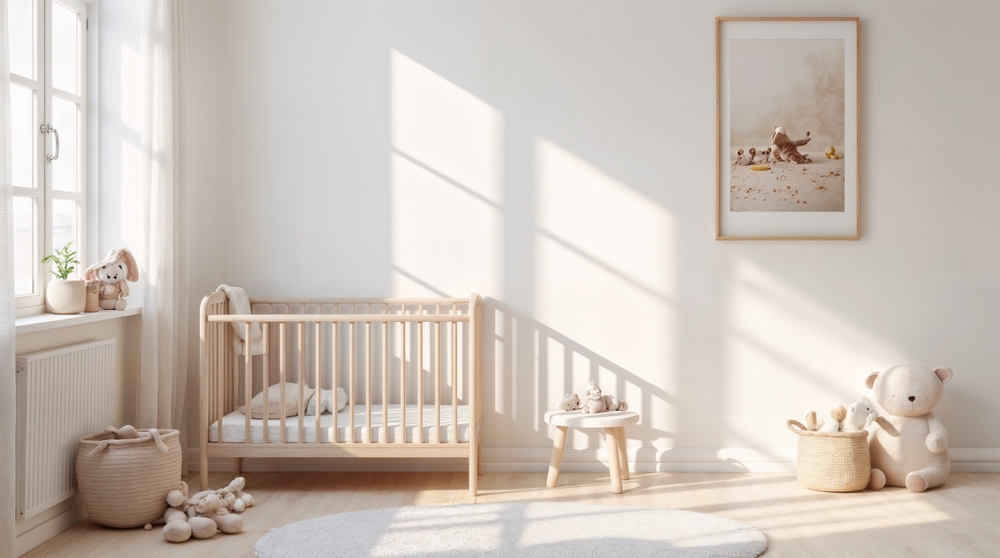
Nursery
In the first few weeks, you may not be spending a lot of time in the nursery. Often, the baby will sleep in your room with a bassinet, but that doesn’t mean it shouldn’t be ready.
- Assemble and clean all furniture: This includes the crib, changing table, dresser, nursing chairs, etc. Sanitize them after everything is put together to remove lingering germs. For high-touch areas like changing tables, you’ll want to regularly sanitize them after dirty diapers.
- Wipe down toys: Many people have handled the toys before they get to you, so make sure that you clean them. Babies put everything in their mouths, so you want to mitigate germs.
- Wash baby items: Clothing, bedding, and even stuffed animals can benefit from being washed prior to putting them in the baby’s room.
Dust and vacuum the room, and wipe down doorknobs, switches, and other commonly touched areas.
Bedroom
Your bedroom will be a popular spot for you and your baby, especially if they are sleeping next to you.
- Wipe down surfaces. Include the top and sides – all areas that babies will eventually be able to reach once they are more mobile.
- Wash laundry and bedding. Put all items away before the baby comes to prevent your clothing from piling up. You will be too tired to think in those first weeks.
- Clean the floors. You put your little one on play mats when you need a moment, but you don’t want them inhaling dust bunnies and dirt.
Again, sanitize high-touch areas to prevent germs from spreading to your children.
Living Room
The living room is where a lot of the baby items rest. Swings, bouncers, play mats, and toys will quickly clutter the area if you are not careful.
- Wipe down surfaces. Focus on coffee tables, couches, chairs, entertainment centers, and shelves.
- Sanitize items. Remotes, switches, lights, handles, and other items that can carry germs can be passed along to your baby the next time you touch them.
- Tidy up toys. Make sure there is a spot for everything. Get boxes or a toy chest. It will inevitably get messed up once the baby arrives, but having a designated area will keep the mess centralized in one spot.
- Vacuum the floors to remove any dirt being tracked in. You bring a lot of germs, dirt, and dust into your home when you go outside.
If you have visitors, the living room is often where you will spend the majority of your time, so make sure you have a plan to keep it relatively clean.
Bathroom
It’s estimated that a toilet seat can have more than 200,000 bacteria units, and any one of them can cause your baby to get sick.
- Clean the shower and tub. Scrub the walls, tub, and shelves. Sanitize the shower head, handles, and water spout. Clean it after you bathe your baby, as they can go potty in the water.
- Wipe down the toilet. Clean the inside and outside, as well as wiping down the toilet seat.
- Clean surfaces, including the mirror, vanity, and sink. Sanitize handles and water spout.
- Sweep the floor to remove any leftover trash and debris.
Even if they aren’t using the bathroom yet, they’ll still spend time in there washing up, so it’s best to keep it clean.
Kitchen
You’ll be preparing a lot of bottles in the kitchen, so you need to make sure the space is ready.
- Designate a section on the counter. This is where you’ll keep bottles, cleaners, formula, and other items your baby needs to eat.
- Wipe down surfaces. Kitchen counters, stovetop, microwave, appliances, sinks, etc., can quickly attract food debris.
- Clean out the fridge. Remove any items that are out of date, old leftovers, etc. Wipe it down to start fresh.
Sanitize handles, faucets, light switches, and other high-traffic areas.
Safety Considerations
You know you have to baby-proof your home, but there are other safety considerations you should keep in mind.
Improve Air Quality
While fresh air is great, you and your baby will be spending a lot of time indoors, so you should take steps to improve the air quality.
- Vacuum with HEPA filters to remove harmful particles from the air
- Switch your HVAC filter every one to three months
- Use a light fragrance or unscented chemicals
- Ventilate your spaces during and after cleaning to improve air circulation.
Avoiding smoking, harsh chemical cleaners, and repairing damage in your home can all help improve air quality. You can also invest in an indoor air purifier to help.
Pregnancy and Postpartum
Pay attention to the types of cleaners that you’re using when you’re cleaning, both during your pregnancy and postpartum. The American Pregnancy Association suggests that you avoid:
- Products with glycol ethers and phthalates
- Spray and aerosol cleaners
- Air fresheners
Exposure can lead to potential complications and health problems. When you are cleaning, you should keep the following safety procedures in mind.
- Wear protective gear, including gloves, glasses, and masks, where possible
- Read the warnings and don’t mix chemicals. They can cause dangerous reactions.
- Turn on fans, open the windows, and take other precautionary measures to improve ventilation.
- Adhere to the doctor’s orders, especially if you are recovering from a C-section.
Don’t overdo it and leverage your partner – or a professional cleaner – to help tidy up your home.
Maintenance Cleaning Plan
The first weeks are going to be a blur, so don’t plan on doing any deep cleaning. You’ll be in maintenance mode, so it’s okay to give yourself grace. Make a clear game plan on what to keep up with and what can wait.
Cleaning tasks you should keep up with include:
- Nursery: Taking out garbage, washing laundry, and sanitizing high-touch surfaces
- Bedroom: Washing laundry, putting away clutter, changing sheets
- Living Room: Sanitizing high-touch surfaces, putting away clutter
- Bathroom: Cleaning the tub, shower, toilet, vanity, and mirror
- Kitchen: Wiping down surfaces, throwing out garbage and recycling, washing dishes
You should also vacuum all floors, knowing that a lot of dirt can be tracked into your home, even if you don’t wear shoes inside.
If you find yourself unable to keep up with even the most basic cleaning, it may make sense to book a professional cleaner. Whether you’re looking for a deep clean or a regular clean, working with a professional will take off some of the pressure so parents can focus on rest, recovery, and taking care of the new child.
Call in the Professionals
White Glove Cleaner is one of the top professional cleaning services in New York City. We work with our clients to develop a cleaning plan that works for their schedule, budget, and cleaning needs.
We offer green cleans to reduce exposure to cleaning chemicals, deep cleans to get into every nook and cranny, and regular cleans to keep your home looking tidy. Our range of services and professional demeanor make us the no. 1 choice for all home and office cleaning solutions.
Contact us today to experience the White Glove Cleaner way for yourself!
Frequently Asked Questions
Why should I avoid select cleaning chemicals?
Exposure to chemicals can cause health complications with you and your baby.
Are there cleaning limitations I should be aware of during pregnancy and postpartum?
Listen to the doctor’s orders when it comes to cleaning during this time. For example, those on bed rest or recovering from a C-section should not be completing deep cleaning, as it could be harmful.
Should I wear protective gear while cleaning?
You can wear gloves, masks, and other protective gear. This will protect your skin and reduce the amount of chemicals you inhale.