
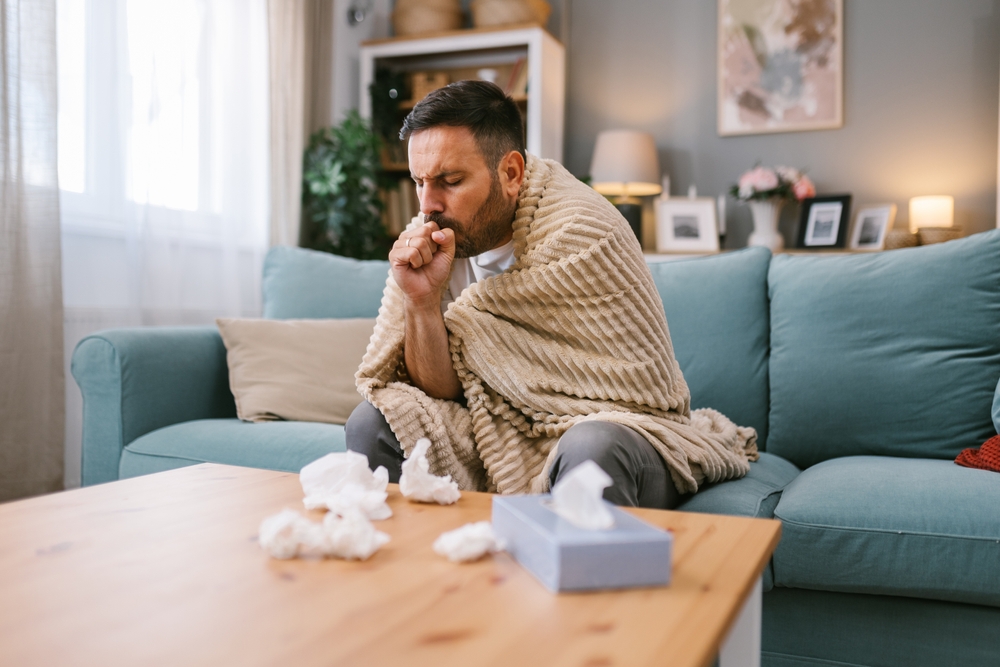
You’ve finally turned the corner after being sick, but now your apartment feels a bit off. Between the phone you were glued to, the bathroom you visited way too often, and the remote that never left your hand, it’s hard to know where to start cleaning without spending your first healthy day scrubbing instead of resting.
We know New Yorkers like you are sick of never-ending, overwhelming to-do lists. That’s why we put together this straightforward guide: exactly which high-touch spots matter most after illness, how to disinfect them safely and efficiently, what to do with bedding and towels, and what you can actually let go of once you’re feeling better. Now it’s time for your apartment to recover, too. We’ll help it bounce back fresh and safe, the easy way.
High-Touch Surfaces That Matter Most After Illness
When you or someone in your home has been sick, not every surface needs the same level of attention. The smartest approach is to focus first on the high-touch surfaces — the ones that get handled most often and become the main “germ handoff” zones.
In a typical city apartment, these are the spots that deserve priority:
- Doorknobs and handles (including toilet handles and refrigerator doors)
- Light switches throughout the apartment
- Remotes, phones, tablets, and keyboards
- Faucets and sink handles in both kitchen and bathroom
- Countertops, especially in the kitchen where food is prepared
These surfaces are touched dozens of times a day by everyone in the household. Germs from a cold, flu, or stomach bug can linger on them for hours or even days. Cleaning and disinfecting them properly breaks the chain of transmission and gives you real peace of mind.
In a big city, the challenge is even greater because we bring the outside world in with us every day. Subway poles, turnstiles, and shared elevator buttons in apartment buildings are touched by hundreds of people before you. That means your keys, phone, and bag handles often carry more than just your own germs. They can pick up viruses and bacteria from the entire city.
In small apartments where these items are then placed on kitchen counters, nightstands, or dropped onto the sofa, the risk of spreading illness to the rest of the household increases quickly. That’s why focusing on high-touch personal items and entryway surfaces isn’t overkill here. It’s practical self-defense in a big city.
Safe Disinfecting After Being Sick
The CDC recommends a clear two-step process for high-touch items: clean first, and only then disinfect. Cleaning removes visible dirt, grease, and organic matter that can shield germs. Disinfecting then kills the remaining viruses and bacteria.
Step-by-step method for high-touch surfaces:
1. Clean the surface
Wipe doorknobs, light switches, faucets, toilet handles, counters, remotes, and kitchen surfaces with soapy water or an all-purpose cleaner. For items like phones, keys, earbuds, and bag handles, use a slightly damp microfiber cloth with mild soap. Remove any visible grime or fingerprints first.
2. Disinfect properly
Use an EPA-registered disinfectant wipe or spray (or a fresh bleach solution: mix 4 teaspoons bleach in a quart of water).
- Keep the surface wet for the full dwell/contact time listed on the product (usually 1–10 minutes). This is the most important step, and many people skip it and the germs survive.
- For electronics (phones, remotes, tablets), use 70%+ isopropyl alcohol wipes or disinfectant sprays made for screens. Never spray liquid directly onto the device.
- Keys, elevator buttons, and bag handles: alcohol wipes or disinfectant spray work well. Wipe thoroughly, including edges and crevices.
3. Ventilate and protect yourself
Open a window or run a fan while disinfecting to avoid breathing fumes. Wear disposable gloves during the process and wash your hands for 20 seconds afterward.
Do this targeted disinfecting once symptoms improve (or daily while someone is still sick), and you’ll cover the majority of the risk. The rest of the apartment can wait.
Disinfecting Soft Goods: Bedding, Towels, and Blankets
While high-touch surfaces get most of the attention, soft items like bedding, towels, and blankets can also harbor germs after someone has been sick. The good news is that washing them properly is one of the most effective things you can do, and it’s simpler than it sounds.
- Bedding and pillowcases. Wash as soon as the sick person feels better (or daily if they’re still contagious). Use the warmest water the fabric allows.
- Towels and washcloths. Change and wash them every day or two while someone is ill.
- Blankets and throws. Wash them once symptoms improve, especially if the sick person used them frequently.
How to disinfect soft items correctly
- Wash in hot water (at least 140°F) whenever the care label allows. Heat is very effective at killing viruses and bacteria.
- Use regular detergent. You don’t need special “sanitizing” additives in most cases.
- Dry thoroughly on the highest heat setting the fabric can handle. The combination of heat and complete drying is what really finishes the job.
Items that can’t go in the washer
For pillows, stuffed animals, or delicate throws that aren’t machine-washable:
- Spray lightly with a disinfectant made for fabrics (or a 70% alcohol solution) and let them air out in sunlight if possible.
- Alternatively, tumble them in a hot dryer for at least 30 minutes (if the material allows).
A tip: in buildings with shared laundry rooms, bag the sick person’s items separately and label the bag clearly. Run an empty hot cycle with bleach (if safe for your machine) before and after washing their load to reduce cross-contamination.
Shared Spaces and Germ “Handoff” Zones
After you’ve handled the personal high-touch items and soft goods, the next priority is the shared spaces where germs are most likely to pass from the sick person to everyone else. In a typical city apartment, the three biggest “handoff” zones are the bathroom, kitchen, and entryway.
1. Bathroom
This is usually the highest-risk area. Focus on:
- Faucets and sink handles
- Toilet handle and seat
- Light switch and doorknob
- Shower/tub surfaces (especially if the sick person showered)
Wipe all of these daily with a disinfectant wipe or spray while the person is sick, and do a more thorough clean once symptoms improve.
2. Kitchen
Even if the sick person wasn’t cooking, counters, faucets, refrigerator handles, and microwave buttons get touched often.
- Wipe counters and high-touch appliance surfaces daily.
- Pay special attention to the sink (it’s a common spot for germ transfer).
- If the sick person used any dishes or glasses, run them through the dishwasher on the hottest cycle or wash by hand with hot soapy water.
3. Entryway
This is where subway grime and outside germs first enter the home.
- Wipe the doorknob and light switch daily.
- Keep a small tray or mat for shoes and bags right inside the door.
- Wipe bag handles and keys when you come in.
Do these targeted cleanings during the sick week and again once symptoms improve, and you’ll have covered the majority of the transmission risk in your home.
Timelines: What to Clean During Illness vs. Once Symptoms Improve
Timing matters when you’re cleaning after being sick. You don’t have to go overboard and disinfect everything daily, but waiting too long isn’t ideal either because you don’t want germs hanging around longer than they should. This simple, realistic timeline will help you stay on top of things.
During the sick week (daily focus)
While someone is still contagious, keep the cleaning simple and targeted:
- Wipe high-touch surfaces (doorknobs, light switches, faucets, phone, remote, toilet handle) every day.
- Do a quick bathroom and kitchen reset each evening (sink, counters, shower glass).
- Change and wash towels and bedding more frequently (every 1–2 days if possible).
As symptoms start to ease (recovery clean)
Once the person is feeling better and no longer contagious (typically about 24–48 hours after the fever is gone or symptoms have clearly improved), it’s a good time to do a more thorough clean:
- Go back over all the high-touch surfaces you cleaned earlier and disinfect them again to make sure nothing was missed.
- Wash all bedding, towels, and frequently used blankets.
- Give the bathroom and kitchen a deeper clean (including inside drawers and fridge handles).
- Wipe down entryway doorknobs and light switches one final time.
When you can safely skip extra cleaning
If more than 7 days have passed since the sick person last used a surface and it’s not visibly dirty, additional deep disinfecting is usually unnecessary. The CDC notes that most viruses don’t survive that long on surfaces in normal household conditions.
Why Choose White Glove Cleaner in NYC
You’ve just come through being sick, and you want your home to feel safe and fresh again. While the targeted habits in this guide will help you stay on top of things, there are moments when a thorough, professional clean simply makes more sense. For example, after a longer illness, before guests arrive, or when you simply don’t have the energy to tackle every high-touch surface and soft item yourself.
White Glove Cleaner is here for exactly those times. We specialize in safe, effective post-illness cleaning for New York apartments. Our team uses hospital-grade disinfectants, HEPA vacuums, and eco-friendly products. We come with all supplies included (so you don’t have to buy or store anything), focus on the surfaces that matter most, clean them with the correct dwell times, and handle soft goods like bedding and upholstery properly so your home feels truly reset.
Whether you need a one-time recovery clean or ongoing maintenance, we make the process easy and stress-free. Book White Glove Cleaner today and let us help your apartment recover right alongside you, so you can get back to living, not cleaning.